In this post I will be displaying some of the research I have done regarding Subjective and Objective Morality.
Morals vary from each individual, but most of society have fairly similar moral beliefs. For example, the vast majority of society believe that murder is an immoral act, but there are some who would disagree with this statement. Soldiers and army generals do not believe this to be an immoral act if it for their personal benefit. The personal benefit could be for money because it is their job, or for power. Morality to put it in as simple as possible is our beliefs on what is right and what is wrong in terms of our actions.
Objective Morality:
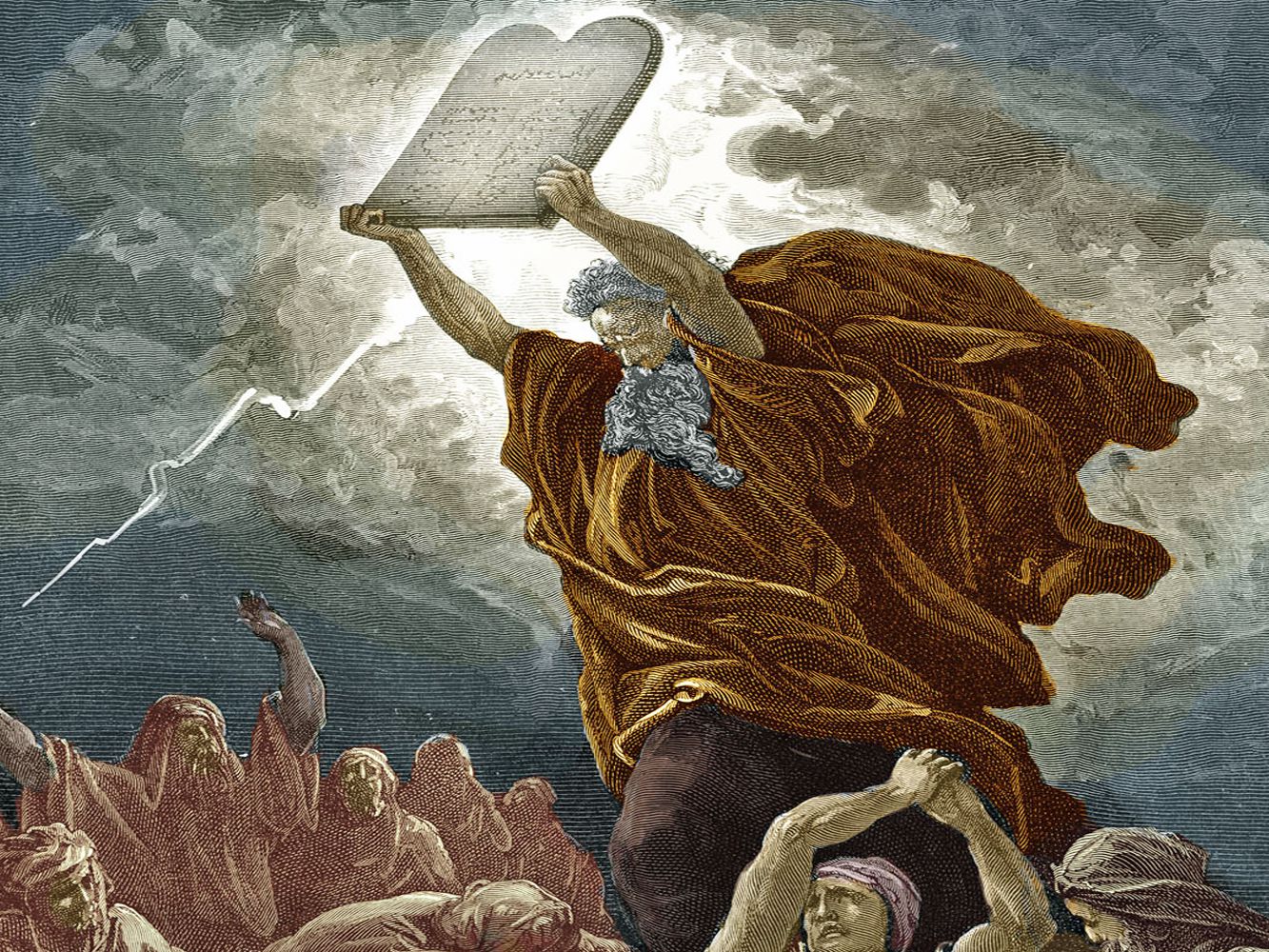
Objective morality is the belief that all morals are universal to everyone and are not up to interpretation. One of the earliest examples of objective morality that is still evident in today’s society is the ten commandments. It is written in the bible that if you disobey these commandments, then you have sinned. Meaning that you could go to hell.

People believe in universal laws that make some morals objective, such as murder or theft.
It is evident that objective morality stemmed from religion thousands of years ago. But this objective moral mindset has not left society. Firstly, people still follow the ten commandments and rules from other religion. But this objective mindset is in our laws, and reinforced by the conservative education system which tells us how and what to think. Governments do not want people to think for themselves or make their own decisions because we would be harder to control.
Subjective Morality:
Morals are inside each individual. There is no herd morality due to society, only the illusion of one. The illusion of these rules that each person must follow. If morality was truly objective, then nobody would disagree with another persons actions. There would be no need for a jury in court, no need for police, and no need for social activists. But morality isn’t truly objective, some people just like to think this way.
Everyone has their own mind, and therefore should have the right to make their own decisions with it.
 Thomas Neild's FMP Blog